A reasonable request, with no data behind it
"Most users are in Germany. Translate it and engagement will go up."
We described the product as Google Street View for VW factories. It was in English and most of its users sat in Germany, so the request from a key stakeholder sounded reasonable. It was still a hypothesis, and anyone who has translated software into German knows a single word can turn into a very long one. That is not a small lift.
A door, and a count of who tried to walk through it
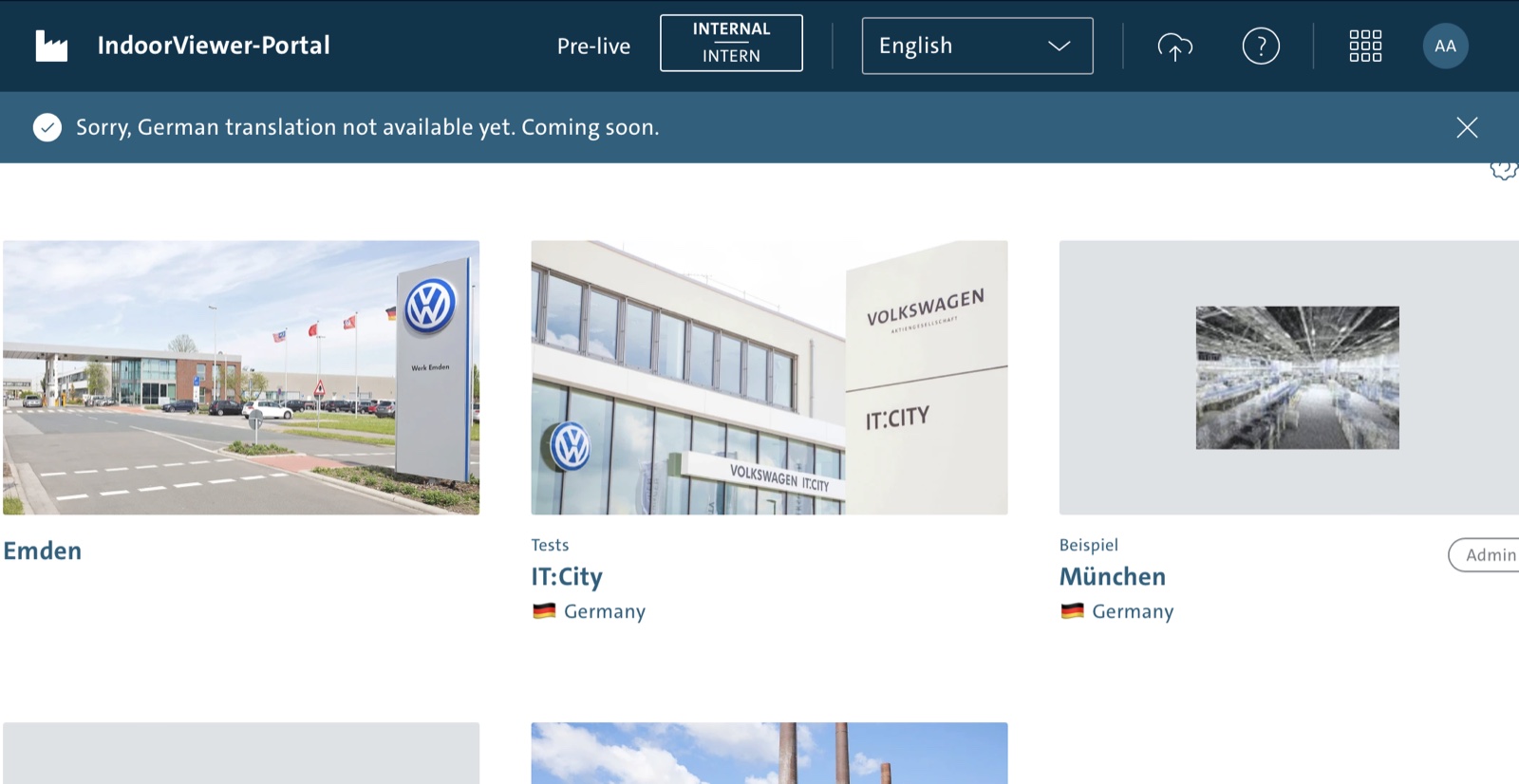
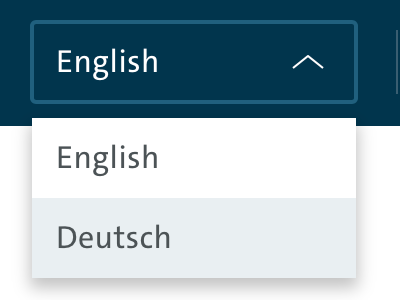
We added a language selector to the header, showing the current language. Open it and two options appear: English and Deutsch. Pick Deutsch, and the only thing that happens is a message: "Sorry, German translation not available yet. Coming soon."
We built no translation and made no promise. Three days of work, then a couple of weeks of counting.
Fewer than 7% opened the selector
Nearly half of those who opened it did not pick German. The demand was not there, so German was not built.
The stakeholder felt heard, because the idea got a real test instead of a refusal. The team kept its focus on the initiatives with higher potential, and spent zero weeks on a translation nobody asked for.
The same habit: ask inside the product
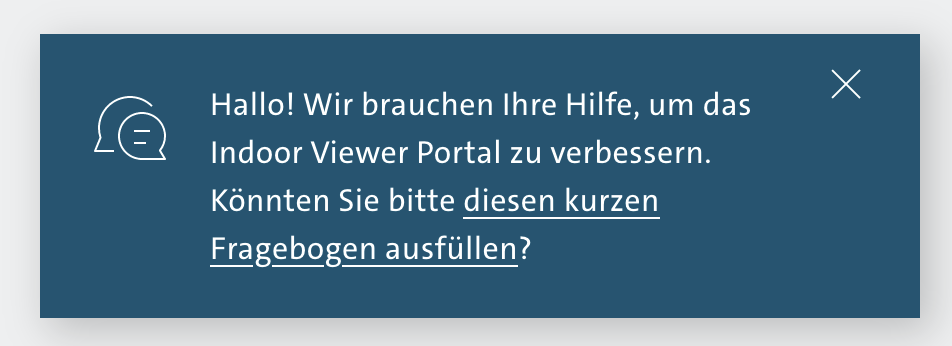
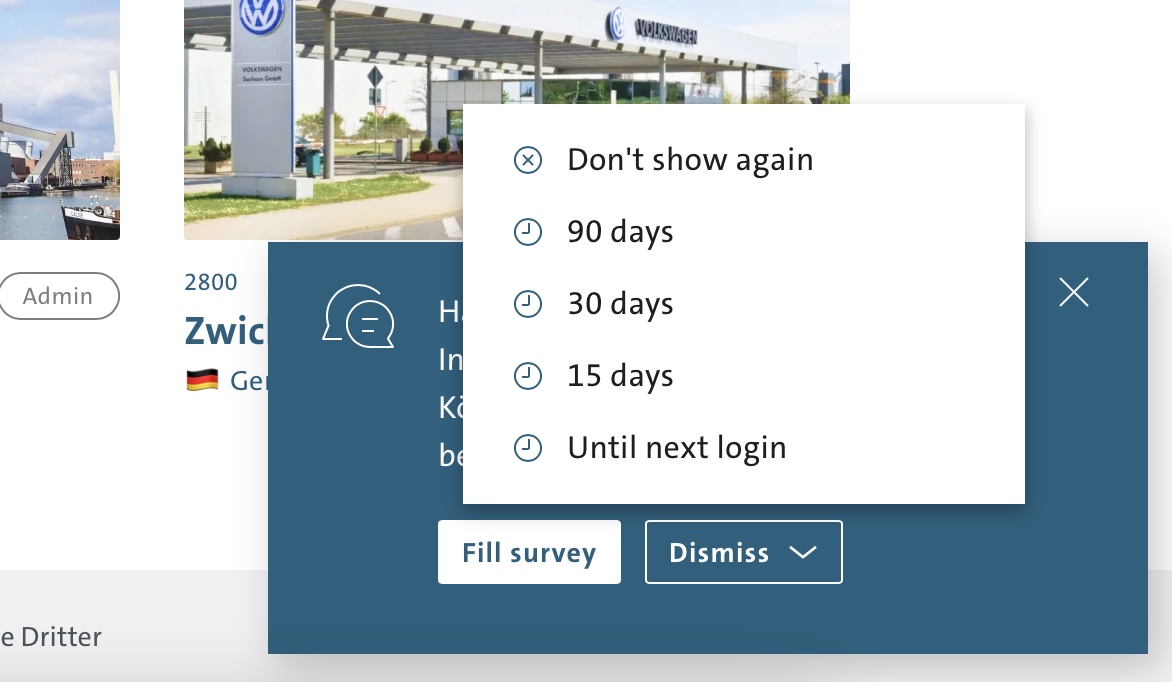
The portal asked its users for feedback in the product itself. The dismiss menu let each person decide when to be asked again, so the prompt did not return every session.
What I took from it
Quick experiments are harder inside a large corporation. Rejecting every idea feels simpler, and so does accepting them all and drowning. With the right relationship, the right framing and a little creativity, a stakeholder's request turns into evidence both sides accept, and the best ideas rise on their own.