Patricia sits down. Filipe arrives.
Patricia gets to the office, realises she forgot to book, finds a free-looking desk and unpacks, half worried that someone booked it. Then Filipe arrives with a booking and asks her to move. Awkward for both, and entirely avoidable.
We had an official booking tool. It took 11 clicks to book a desk, so people skipped it. As the office grew past 120 people, more people meant more desks taken and more Patricia moments.
Speed up one question: "can I sit here?"
Rebuilding the booking app made no sense. We plotted the options on effort against impact, and a new booking system sat in the high-effort corner. The real pain sat in one moment: standing at a desk, not knowing.
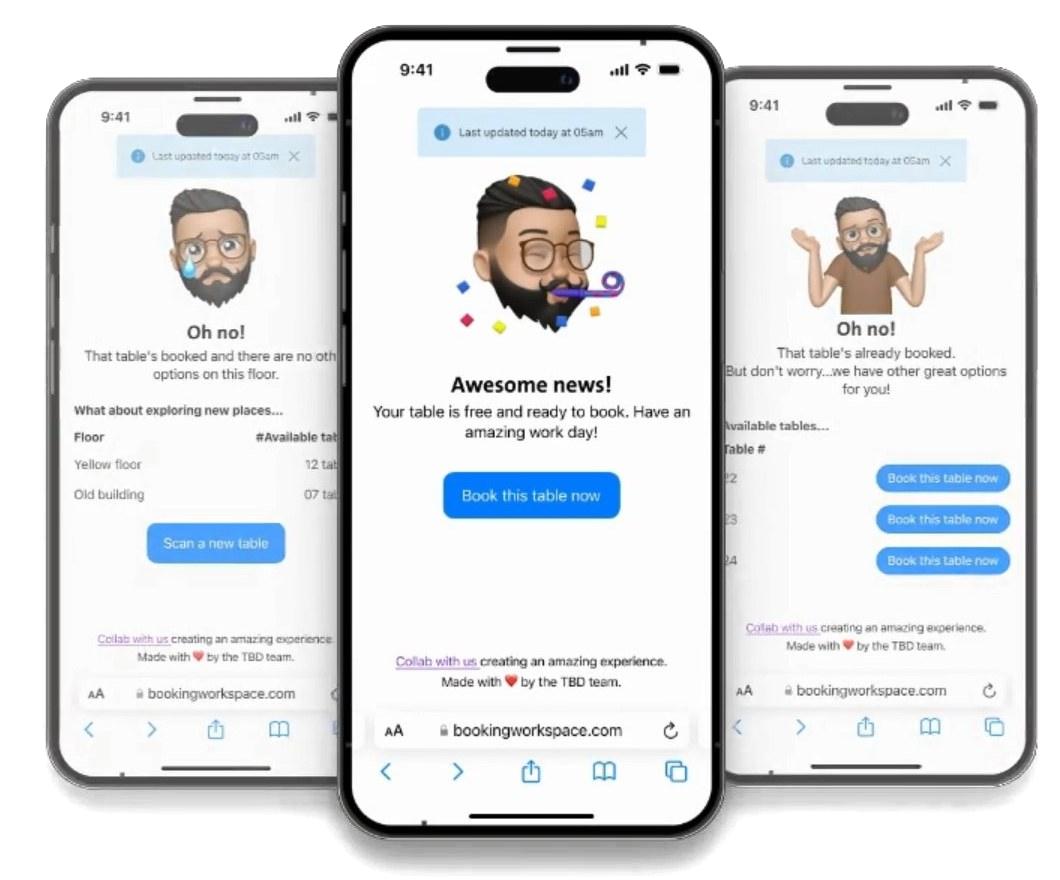
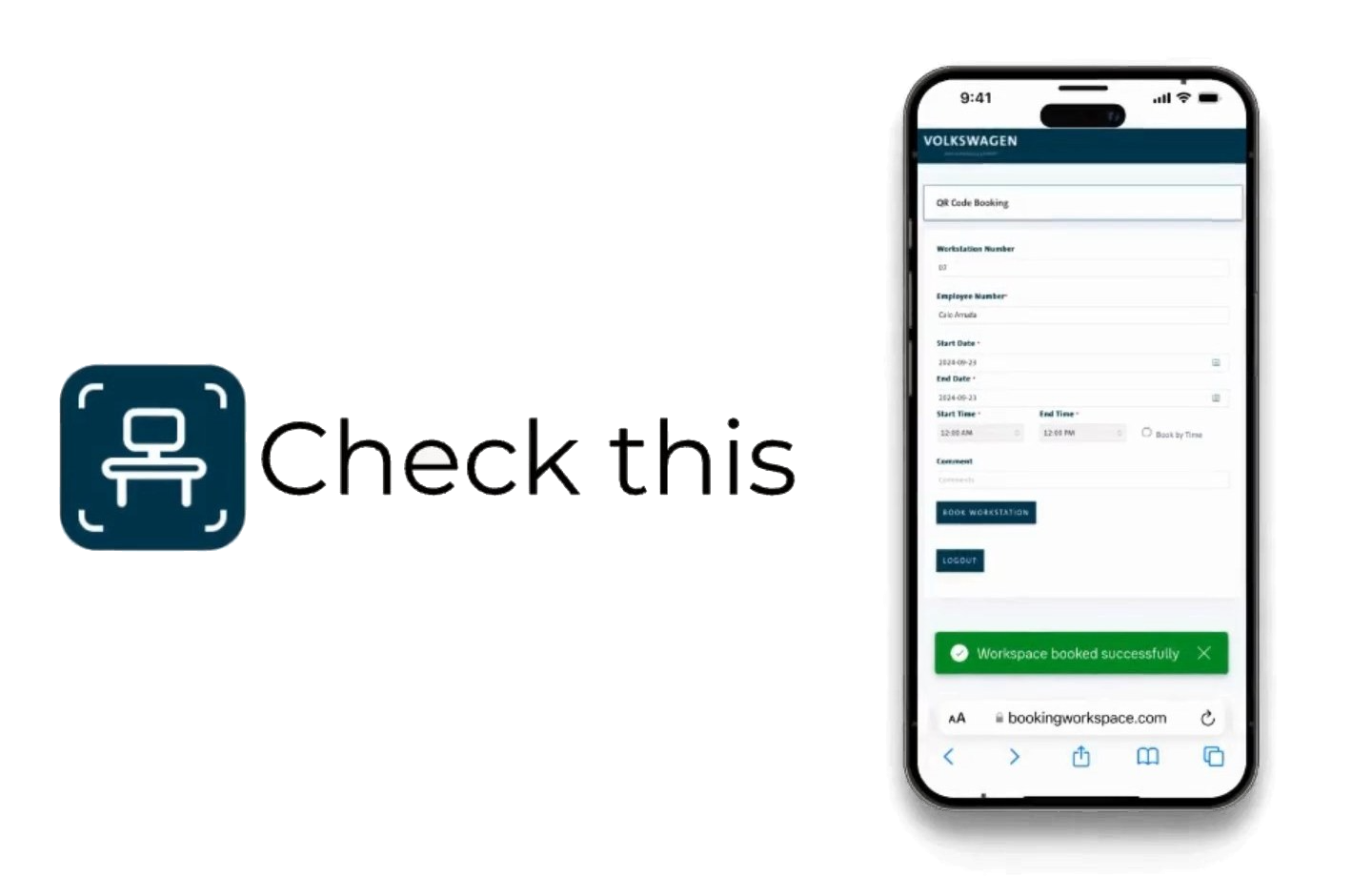
So we put a QR code on each table. Scan it and you see straight away whether the desk is free. If it is, one tap takes you into the official tool to book it.
Success defined before the demo
One question per metric:
- Scans: are people using it at all?
- "Busy" feedback rate: are we really solving the awkward moment?
- False positives: is there something we need to fix?
- Click-through to booking: do people follow through and book?
- Weekly active users and retention: do they keep coming back?
What I took from it
Under time pressure, scoping decides what ships. Deciding early what we would not build left us time for the one part that mattered.